
Dye Sublimation for Promotional Products: A Complete Quality Guide
Discover how dye sublimation works, when to use it, and how to get the best quality results for your branded merchandise in Australia.

Written by
Sienna Chandra
Branding & Customisation
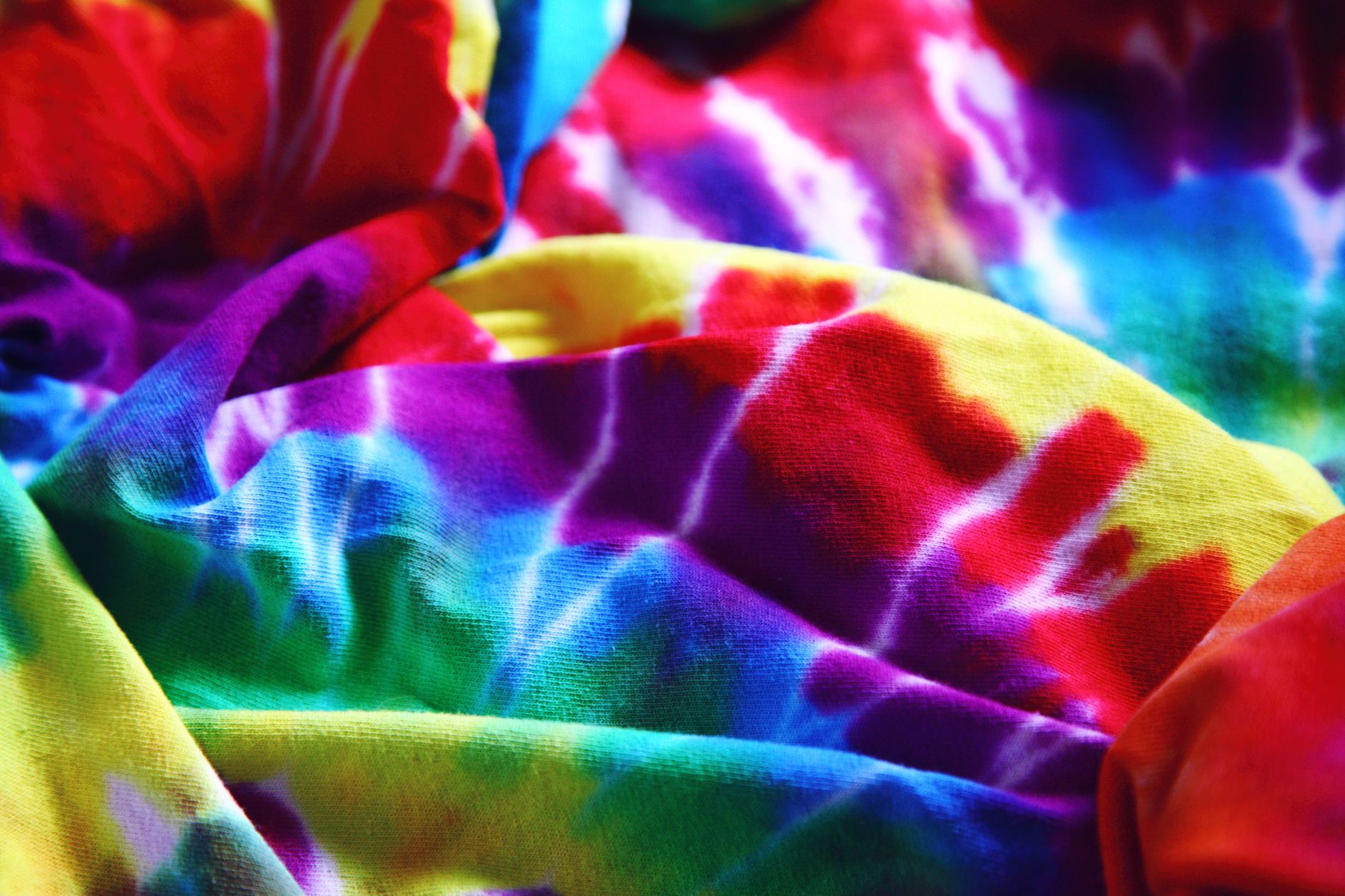
Dye sublimation is one of those decoration techniques that can genuinely transform promotional products from forgettable to stunning — but it’s also one of the most misunderstood. Businesses ordering branded merchandise for the first time often get confused by the jargon, unsure whether sublimation is the right method for their project, or frustrated when results don’t match expectations. If you’ve been searching for a reliable quality guide to dye sublimation for promotional products, you’re in exactly the right place. This guide breaks down how the process works, which products it suits best, what affects output quality, and how Australian organisations can get the most value from sublimation printing.
What Is Dye Sublimation and How Does It Work?
Dye sublimation is a digital printing technique that uses heat and pressure to transfer ink directly into the surface of a material rather than sitting on top of it. The process involves printing a design onto special transfer paper using sublimation inks, then applying that paper to the substrate using a heat press at temperatures typically between 180°C and 210°C. Under that heat, the ink turns into a gas (hence “sublimation”) and bonds with the polymer fibres in the material at a molecular level.
The result? A print that is fully embedded in the product. It won’t crack, peel, or fade in the wash the way screen prints or heat transfers can. Because the ink becomes part of the substrate, the finish is incredibly smooth, with a soft feel on fabric products and vibrant, photographic-quality colours on hard goods.
Why Sublimation Produces Such Vivid Results
The reason sublimation delivers such exceptional colour depth comes down to that molecular bonding. Unlike screen printing — where inks sit as layers on the surface — sublimation ink permeates the material itself. This allows for unlimited colour gradients, full photographic imagery, and edge-to-edge designs with no visible borders or registration issues between colours. If your brand uses complex artwork, a gradient logo, or photographic elements, sublimation is one of the few decoration methods that can reproduce those designs faithfully on promotional merchandise.
That said, sublimation has some firm limitations worth understanding before you commit to it.
Key Quality Factors in Dye Sublimation for Promotional Products
Understanding these variables is essential when evaluating sublimation quality and comparing supplier quotes. Not all sublimation printing is equal, and knowing what separates a great result from a disappointing one will help you ask the right questions.
The Substrate Must Be Polyester or Polymer-Coated
This is the single biggest quality consideration in any sublimation project. Dye sublimation only works on polyester-based fabrics or hard goods with a polymer coating. On a 100% polyester garment, you’ll get rich, accurate colours. On a cotton fabric, the ink won’t bond properly and the result will look washed out, dull, or patchy.
For corporate apparel like sports jerseys, singlets, activewear, and custom caps, this is generally not an issue — most performance fabrics are polyester-rich. But if your team is expecting sublimated t-shirts in a soft cotton blend, the quality will suffer unless you specifically source a high-polyester alternative.
Hard goods like ceramic mugs, phone cases, and metal panels need to be either polymer-coated or made from compatible materials. If a mug lacks the right coating, sublimation ink will transfer weakly and the design may appear faded or uneven.
Artwork Resolution and File Preparation
Sublimation reproduces artwork at extremely high fidelity — which means any flaws in your original file will show up in the finished product. For the best results, artwork should be supplied as a high-resolution file (at least 300 DPI at print size) in a vector format like AI or EPS, or as a high-quality PNG or PDF. If you supply a small JPEG grabbed from your website, expect the output to look pixelated and unprofessional.
If you’re working with a supplier and they don’t request high-resolution files, that’s a red flag. Quality suppliers will have a formal artwork approval process including a digital proof that shows your design scaled to the actual product dimensions before printing begins.
Colour Accuracy and PMS Matching
One of the complexities of sublimation is that it uses a CMYK colour model, which means it can’t technically replicate Pantone (PMS) spot colours the same way screen printing can. However, experienced operators can produce exceptionally close matches when working with calibrated equipment and colour profiles. If your branding guidelines specify strict PMS colours, discuss this with your supplier upfront. Ask whether they can provide a physical sample before your full production run — this is especially important for large orders.
Temperature, Pressure, and Timing
These three variables — applied during the heat press stage — directly determine output quality. Too much heat and you risk scorching the material or ghosting (a blurred secondary impression from the transfer paper shifting). Too little and the ink won’t fully embed, resulting in dull colours. An experienced operator using well-maintained equipment will have these settings dialled in precisely for each product type.
Which Promotional Products Are Best Suited to Sublimation?
Sublimation excels across a surprisingly broad range of promotional merchandise. Here’s where it really shines.
Custom Apparel and Sportswear
Full-colour, all-over print garments are the most popular sublimation application in the promotional products space. Sports jerseys for clubs and schools, custom uniforms, activewear, and team kits can all be produced in runs as low as 10–20 pieces with no colour limitations. For schools ordering merchandise for sports carnivals, or corporate teams preparing for a charity fun run, sublimation delivers professional results at competitive price points. You might also explore our guide on school sport Australia merchandise for more ideas on custom team apparel.
Sublimated custom t-shirt printing is also a strong option when your design features photographic elements or complex gradient artwork that wouldn’t translate well to screen printing.
Drinkware
Sublimation is the go-to method for full-colour branded mugs and ceramic drinkware. For metallic or stainless steel products, suppliers use a polymer-coated blank specifically designed for sublimation. If you’re considering branded bottles for a corporate gift campaign, check out our guide to branded stainless steel water bottles for a breakdown of decoration options across different bottle styles.
Custom Stubby Holders and Cooler Products
Neoprene and polyester-based custom stubby holders are perfect candidates for sublimation printing. You get edge-to-edge, photographic-quality designs without the limitations of screen printing. For events, trade shows, and corporate hospitality in Queensland, Western Australia, and South Australia especially, these are a perennial favourite. Our broader guide to stubby holders covers sizing, materials, and MOQs in more detail.
Yoga Mats and Fitness Products
Sublimation is increasingly popular on rubber and polyester-surface fitness products. If you’re sourcing merchandise for a health-focused corporate campaign, our piece on promotional yoga mats for pharmaceutical companies offers useful context on product selection and branding considerations.
Trade Show and Event Merchandise
For events and expos, sublimation-printed products stand out from the crowd because of the visual impact. If you’re planning a presence at a trade show, explore our guide on setting up an effective trade show stand and consider how sublimated merchandise can extend your brand presence beyond the booth.
For broader event merchandise inspiration, our article on promotional products for outdoor events covers a wide range of weather-resistant, high-visibility options well suited to sublimation.
What Sublimation Is NOT Ideal For
It’s equally important to understand where sublimation falls short. For dark-coloured fabrics, sublimation is simply not appropriate — because the ink is transparent, it won’t show up on navy, black, or charcoal backgrounds. In those cases, screen printing or direct-to-garment (DTG) printing are better choices.
Sublimation is also not ideal for products where texture, dimension, or a premium tactile finish is the priority. For corporate gifts like leather notebooks or metal business card holders, laser engraving or embossing will produce a more sophisticated result. And if you need to print on natural materials like cotton, bamboo, or wood without a polymer coating, other methods are required — though you can read more about eco-friendly promotional items and the decoration methods that work best on sustainable substrates.
Budget and Minimum Order Considerations
Sublimation is generally cost-effective for smaller runs because there are no screen setup fees (unlike traditional screen printing). Most Australian suppliers work with MOQs of 10–25 units for sublimated apparel, though some hard goods like mugs and phone cases can be ordered in quantities as low as one or two pieces — ideal for personalised awards or sample orders.
For larger corporate orders in cities like Sydney, Melbourne, or Brisbane, sublimation pricing typically becomes more competitive per unit as quantity increases, similar to other print methods. Turnaround times vary, but most production runs are completed within 7–14 business days, with rush options available from many suppliers.
Staying across promotional products market trends in 2026 is also worthwhile — the demand for personalised, full-colour merchandise continues to grow, and sublimation is central to that trend.
If you’re managing a large campaign across multiple product types and suppliers, you might also find our article on promotional product supplier consolidation trends helpful for streamlining your procurement process.
Conclusion: Key Takeaways from This Quality Guide to Dye Sublimation for Promotional Products
Dye sublimation is a genuinely impressive decoration technique that unlocks full-colour, photographic-quality branding across a wide range of promotional products — but it rewards preparation and informed decision-making. Here are the essential points to carry away:
- Substrate compatibility is non-negotiable. Sublimation only delivers quality results on polyester fabrics and polymer-coated hard goods. Always confirm substrate suitability before placing an order.
- Artwork quality determines print quality. Supply high-resolution files (300 DPI minimum) and approve a digital proof before production begins. Poor source files produce poor results — no matter how good the equipment.
- Colour expectations should be managed. Sublimation uses CMYK, not Pantone spot colours. Request a physical sample for brand-critical colour matching, particularly on large orders.
- There are no setup fees for most sublimation jobs, making it cost-effective for small to medium runs, full-colour designs, and personalised products.
- Sublimation isn’t suitable for dark fabrics or natural materials — in those cases, alternative decoration methods will serve you better.
Used in the right context, dye sublimation for promotional products delivers some of the most visually striking branded merchandise available in the Australian market today. Understanding the quality factors outlined in this guide will ensure your next sublimation order looks exactly the way your brand deserves.