
How Generational Preferences Shape Promotional Product Choices for Australian Businesses
Discover how Gen Z, Millennials, Gen X, and Boomers respond differently to branded merch — and how to choose the right products for each.

Written by
Maya Petrov
Industry Trends & Stats
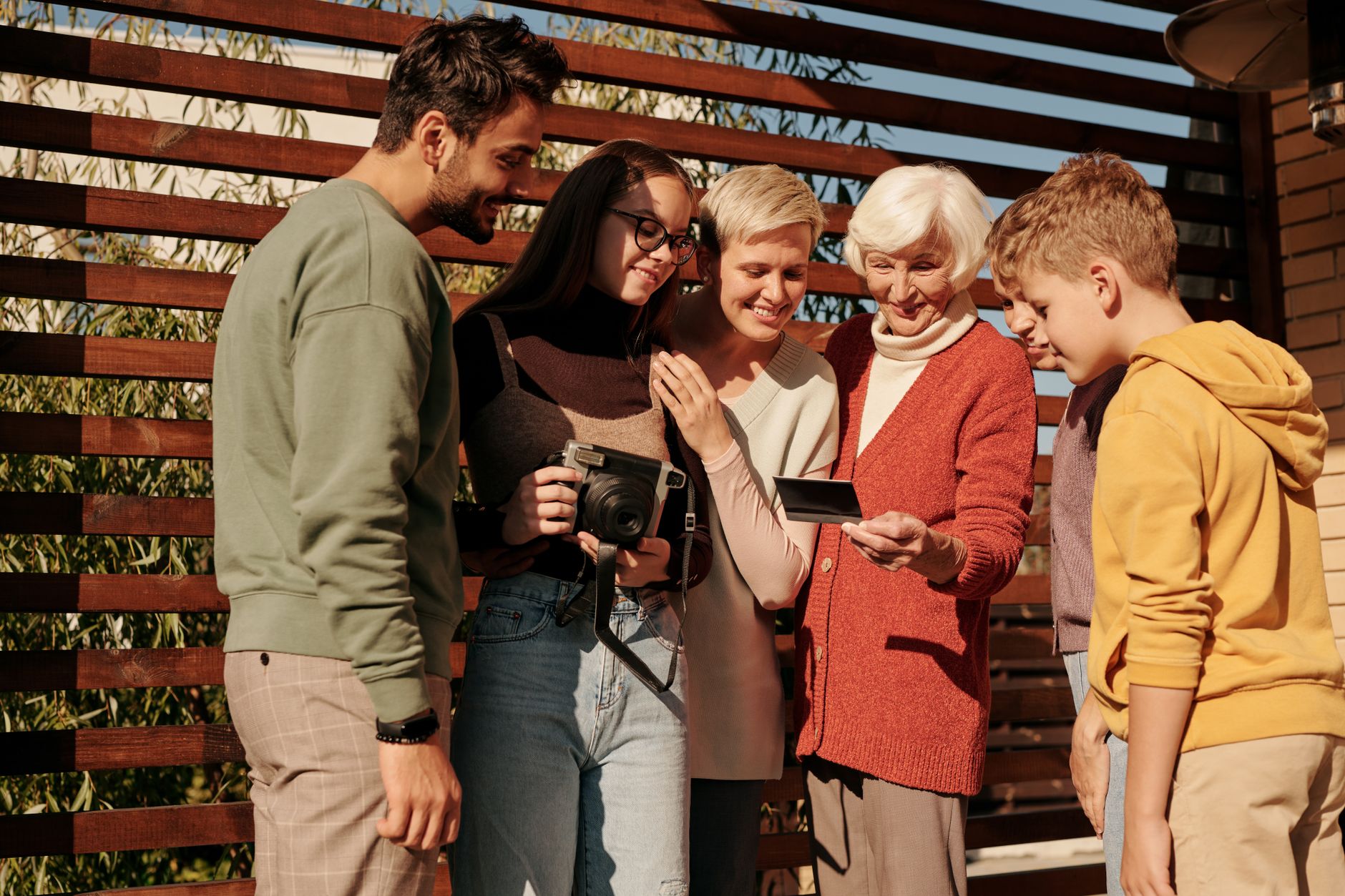
Understanding who you’re handing a promotional product to matters just as much as the product itself. A sleek power bank might delight a Millennial tech worker in a Sydney CBD office, while a practical tote bag could resonate far more with a Baby Boomer attending a community expo in Adelaide. As Australian businesses, event organisers, and corporate teams become increasingly sophisticated in their branded merchandise strategies, the concept of generational preferences for promotional product types has moved from a niche marketing insight to an essential planning consideration. Get it right, and your branded merch builds genuine connection. Get it wrong, and you’ve spent your budget on items that end up in the bottom of a drawer.
Why Generational Differences Matter in Promotional Merchandise
Generations are shaped by the world they grew up in — the technology available, the values instilled, the economic conditions they navigated, and the cultural moments that defined them. These formative experiences don’t disappear when someone receives a branded product at a trade show or corporate event. They influence what people perceive as useful, what they find impressive, and critically, what they’re likely to keep and use.
For Australian businesses investing in promotional products, this matters enormously. The promotional products market trends for 2026 show a clear shift toward personalisation and audience-specific thinking, moving away from the old “one product fits all” approach. Organisations that segment their promotional strategies by generation — or by a blend of generational demographics — consistently see better brand recall, stronger engagement, and greater return on their merchandise investment.
It’s worth noting that generational categories are guideposts, not rigid rules. Individual variation always exists. However, understanding broad generational tendencies gives event planners, marketing managers, and business owners a meaningful framework to start from.
Baby Boomers (Born 1946–1964): Practicality and Quality Above All
Baby Boomers represent a significant portion of the Australian workforce and consumer base, and they bring a consistent set of values to how they assess promotional products. This generation grew up with limited resources and developed a deep appreciation for things that last. They’re not easily impressed by novelty — they want quality and function.
What Works for Boomers
Boomers tend to gravitate toward promotional products that are immediately practical in everyday life. Branded pens, quality notebooks, and premium drinkware consistently perform well with this demographic. A well-made branded stainless steel water bottle with clean, professional decoration feels like a genuine gift rather than a throwaway freebie.
Apparel is another strong category, particularly comfortable, well-cut polos and jackets. Decoration quality matters here — embroidery reads as premium and durable to Boomers in a way that a screen-printed logo sometimes doesn’t. They also appreciate products that signal corporate respectability, making awards, recognition pieces, and quality leather-look journals popular choices at corporate events.
From a budget perspective, investing slightly more per unit for Boomer audiences pays dividends. They’ll notice — and remember — the quality difference.
Generation X (Born 1965–1980): Functionality with a Streak of Scepticism
Gen X is often the forgotten generation in marketing conversations, sandwiched between the cultural dominance of Boomers and Millennials. That’s a mistake. In 2026, Gen X occupies senior management and business owner roles across Australia, making them influential decision-makers and frequent recipients of corporate merchandise.
What Works for Gen X
Gen X values practicality above trendiness, but they’re also more technologically comfortable than Boomers and less digitally native than Millennials. They appreciate promotional USB pen drives and tech accessories, though they’re discerning — cheap tech products feel patronising to this group. If you’re sourcing tech merchandise for a Gen X audience, quality and actual usability matter more than novelty features.
They also respond well to outdoor and lifestyle products. A branded cooler bag for a Perth corporate event or a quality cap for a Queensland golf day aligns with the active, family-oriented lifestyle many Gen X Australians maintain. For event merchandise specifically, products suited to outdoor events often hit the mark with this cohort.
Sustainability resonates with Gen X, but authentically so. They’re sceptical of greenwashing — a common trait of this generation — so if you’re sourcing sustainable corporate gifts, be prepared to back the environmental claims with substance.
Millennials (Born 1981–1996): Values-Driven and Experience-Focused
Millennials are now firmly in their late 20s through mid-40s, spanning everything from junior professionals to established managers across Australia’s corporate landscape. They’re the generation most studied in marketing research, and their preferences for branded merchandise reflect broader values they’ve consistently articulated: sustainability, authenticity, and lifestyle alignment.
What Works for Millennials
Eco-friendly and sustainable products are strong performers with Millennial recipients. Bamboo items, recycled material bags, reusable drinkware, and products with genuine environmental credentials consistently land well. A Melbourne council sourcing conference bags for a Millennial-heavy audience would be well-advised to explore sustainable options — the social media impact on promotional product marketing is significant here, because Millennials are far more likely to share branded products online if those products align with values they publicly hold.
Custom apparel also performs strongly. Millennials appreciate well-designed, lifestyle-appropriate clothing — think quality custom t-shirt printing with creative artwork rather than a basic logo placement. The design quality matters as much as the product itself. Wellness-oriented products are gaining traction too; branded yoga mats and fitness accessories feel relevant to a generation that has embraced health-conscious living in significant numbers. This trend has even influenced niche sectors — the use of promotional yoga mats for pharmaceutical companies targeting health professionals reflects this broader generational shift.
Drinkware remains a category Millennials genuinely use and appreciate. A quality keep cup or insulated bottle fits their daily routines seamlessly.
Generation Z (Born 1997–2012): Digital Natives Who Want Authenticity
The oldest members of Gen Z are now in their mid-20s and entering the professional workforce across Australia in growing numbers. This generation has never known a world without smartphones, social media, or on-demand everything. Their approach to branded merchandise reflects a fundamentally different relationship with “stuff” — they want less of it, but what they do want has to feel genuinely meaningful or genuinely useful.
What Works for Gen Z
Gen Z’s sustainability expectations exceed even those of Millennials. They don’t just prefer eco-friendly products — they’re suspicious of brands that don’t demonstrate environmental responsibility. Products made from recycled or natural materials, with minimal packaging and transparent supply chains, resonate strongly. Exploring promotional products supplier consolidation trends is worth considering here, as consolidating with suppliers who have strong sustainability credentials can simplify this alignment.
Tech products remain popular, but they need to feel current and genuinely useful — quality wireless earbuds, phone accessories, and portable chargers rather than dated USB drives. Design and aesthetics matter enormously to Gen Z. They’re visually literate in a way previous generations aren’t, and a poorly designed product won’t be used regardless of its functional quality.
Custom apparel is also strong, particularly streetwear-influenced styles. A branded hoodie with a considered, creative design is something Gen Z recipients will actually wear — which is ultimately the highest form of promotional product success. The dye sublimation decoration method is worth exploring for apparel targeting Gen Z, as it enables the full-colour, all-over print aesthetics this cohort tends to favour.
Interestingly, Gen Z also responds to unexpected, personality-driven products. Custom stubby holders with bold, creative artwork at a Gold Coast event — done with genuine wit rather than corporate blandness — can cut through in a way that safe, generic merchandise never will. Understanding the full range of custom stubby holder options available is a good starting point for event-specific briefs.
Mixed Generational Audiences: The Most Common Scenario
In reality, most Australian organisations are choosing promotional products for mixed generational audiences. A Brisbane trade show, a Sydney corporate conference, or a Hobart community event will inevitably draw attendees spanning multiple generations. So how do you navigate that?
The most effective strategies in mixed contexts tend to prioritise:
Universal practicality. Products that anyone uses daily — quality drinkware, tote bags, notebooks — transcend generational preference because they meet genuine functional needs. A well-designed trade show stand paired with practical, quality merchandise serves the full audience spectrum better than niche items targeting a single cohort.
Tiered gifting. Where budget allows, offering different product options — perhaps a tech item, an eco bag, and a premium pen set — lets recipients self-select what appeals to them. This is particularly effective at conferences and corporate events.
Quality over quantity. Across all generations, research consistently shows that receiving one well-made, genuinely useful branded item creates stronger brand affinity than receiving several cheap, forgettable ones.
It’s also worth noting that sector context shapes preferences as much as generation. Promotional products for physiotherapy businesses serving an older patient demographic call for completely different strategies than merchandise for a school sports programme targeting children and young families. Similarly, school sport merchandise requires understanding not just the young recipients but the parents — often Gen X and Millennials — whose perceptions of quality and sustainability also matter.
Even specialist sectors benefit from generational thinking. Promotional products for childcare businesses in Melbourne need to appeal to Millennial parents, not just the children using them. And promotional products in regional hubs like Wollongong often serve community demographics with their own distinct generational profiles worth researching.
Practical Tips for Applying Generational Insights to Your Merch Brief
When briefing a supplier or starting the product selection process, consider asking yourself:
- Who is my primary audience? If you know the demographic skew of your event, team, or customer base, lead with that.
- What’s the context? Products received at a conference, in a corporate welcome pack, or at a community expo carry different expectations.
- What values am I communicating? Sustainability, innovation, practicality, and creativity all speak differently to different generations.
- What’s the decoration method? Embroidery signals premium quality to older audiences; vibrant full-colour sublimation may appeal more to younger recipients.
- What’s my budget per unit? Understanding your total budget and dividing by expected recipients helps establish a realistic quality tier.
Key Takeaways
Understanding generational preferences for promotional product types isn’t about stereotyping — it’s about making smarter, more audience-aware decisions with your branded merchandise budget. Here’s what to remember:
- Baby Boomers respond to quality, practicality, and traditional decoration methods like embroidery — invest in per-unit quality for this audience.
- Generation X appreciates functional tech products, outdoor lifestyle items, and authentic sustainability credentials — avoid cheap novelty.
- Millennials are driven by values alignment, eco-credentials, and well-designed lifestyle products — social shareability is a meaningful bonus.
- Generation Z demands genuine sustainability, strong aesthetics, and relevant tech — creativity and design quality are non-negotiable.
- Mixed audiences are best served by universally practical, high-quality products, or tiered gifting options that allow for self-selection.
The most effective branded merchandise strategies in 2026 treat the recipient as the starting point — not the product catalogue. When generational thinking informs your brief, the right product choices become far clearer.