
Custom Safety Boots for Mining Operations in Australia: A Complete Ordering Guide
Learn how to source, brand, and order custom safety boots for mining operations in Australia — including decoration tips, compliance, and budgeting advice.

Written by
Jake Murray
Safety & Workwear
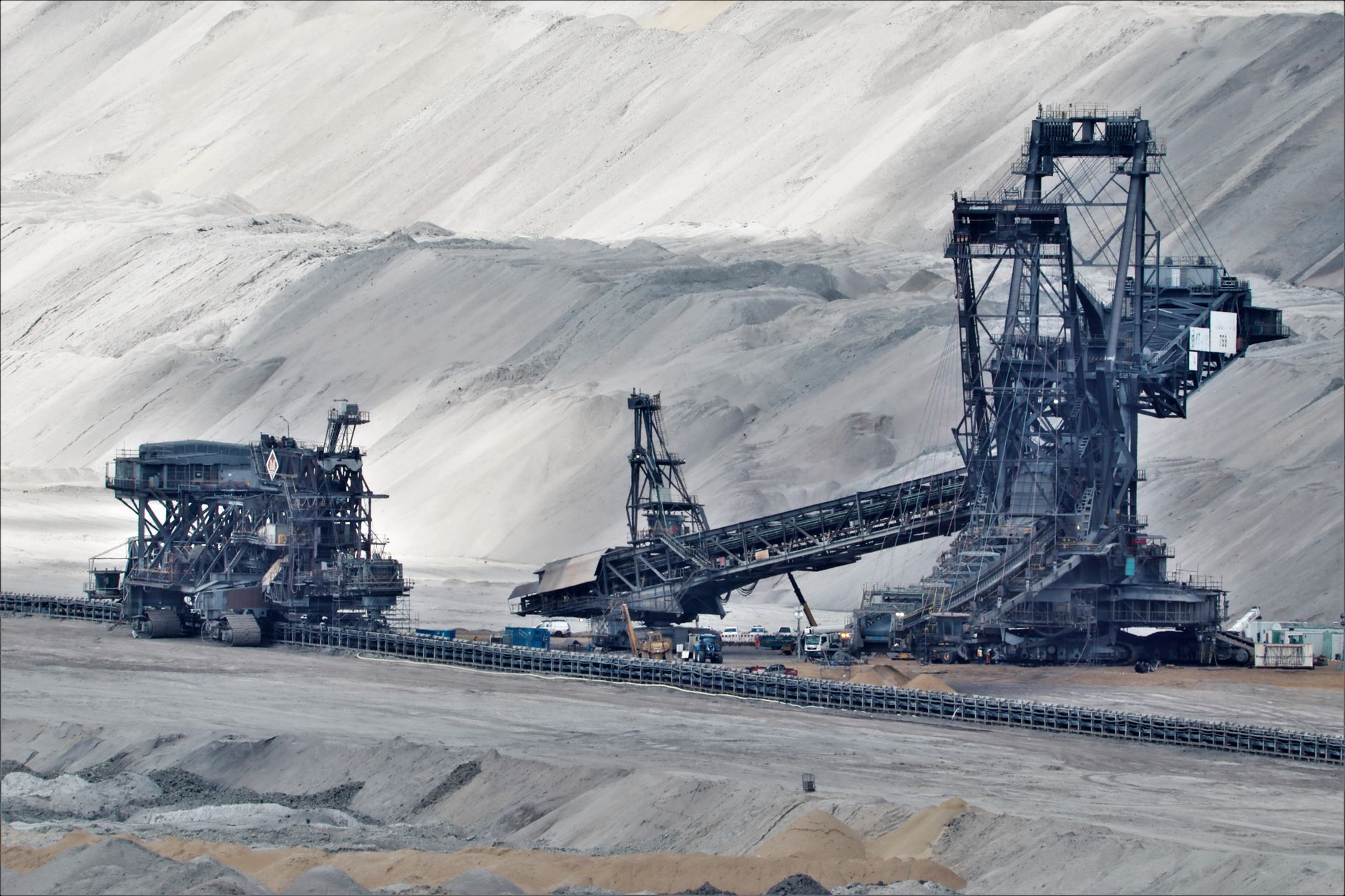
When you’re outfitting a workforce in one of Australia’s most demanding industries, footwear isn’t just a practical decision — it’s a safety-critical one. Custom safety boots for mining operations in Australia represent the intersection of workplace compliance, team identity, and long-term cost management, and getting that equation right requires more than simply picking a boot from a catalogue. Whether you’re managing a large-scale operation in the Pilbara, coordinating site contractors in Queensland’s Bowen Basin, or equipping a maintenance crew at a South Australian copper mine, the choices you make around branded safety footwear will affect your workforce every single shift.
This guide walks through everything you need to know about sourcing, customising, and ordering safety boots for mining teams across Australia — from compliance requirements and decoration methods to budgeting, MOQs, and practical tips for large-scale rollouts.
Why Custom Safety Boots Matter for Mining Operations in Australia
Safety boots are arguably the most important piece of personal protective equipment (PPE) on a mine site. Unlike a branded polo shirt or a customised hard hat, boots are worn under constant, gruelling conditions — extreme heat, sharp debris, heavy equipment, chemical exposure, and long shifts on uneven terrain. The decision to go custom with your safety footwear is about more than branding; it’s about standardisation, accountability, and professionalism.
Compliance Comes First
Before any discussion of logos or colour schemes, mining safety boots in Australia must meet the relevant Australian Standards. The key standard governing safety footwear is AS/NZS 2210.3, which covers protective, occupational, and safety footwear. For mining environments specifically, you’ll typically need boots rated to at least Safety Level 1 (S1) or higher, with many operations requiring S3-rated footwear that includes features like:
- Steel or composite toe caps (meeting impact and compression ratings)
- Penetration-resistant midsoles
- Anti-static properties
- Heat-resistant outsoles
- Slip resistance on wet and oily surfaces
- Oil-resistant uppers
Some operations — particularly those involving electrical hazards — may also require EH (Electrical Hazard) rated footwear. Always consult your site’s health and safety documentation and your state’s WHS/OHS framework before finalising any boot specification.
Standardisation Across Your Workforce
One practical advantage of ordering custom safety boots as a fleet purchase is standardisation. When every worker on site is wearing the same boot model — with consistent safety ratings, sizing, and branding — it becomes far easier to manage PPE audits, replacement schedules, and contractor compliance checks. A Perth-based mining contractor running multiple sites across Western Australia, for instance, might standardise on a single boot model branded with their company logo to ensure consistent compliance documentation across all project teams.
Decoration Methods for Custom Safety Boots
Customising safety boots isn’t as straightforward as embroidering a polo shirt or screen printing a tee. The materials involved — leather, synthetic uppers, rubber outsoles — require specific decoration approaches. Here’s what works and what doesn’t.
Embossing and Debossing
For leather boots, debossing (pressing a design into the material) is one of the most durable and professional-looking customisation methods available. A company logo or initials can be debossed directly onto the tongue, ankle collar, or pull tab. This method creates a permanent, tactile impression that doesn’t fade, peel, or wash out — ideal for the harsh conditions of a mine site.
Laser Engraving
Laser engraving works well on leather panels and certain synthetic uppers, producing a clean, precise mark without adding thickness or compromising the material’s integrity. It’s commonly used for asset tracking numbers, employee identification markings, or small logo applications.
Heat Transfer and Custom Labels
Many safety boot manufacturers offer the option of applying custom woven or printed labels to the tongue or inner lining. This is a clean, cost-effective way to incorporate your company name, logo, or safety compliance information without altering the boot’s external structure. Sublimation printing — a method covered in depth in our guide to dye sublimation for promotional products — can also be applied to fabric components like gaiters or boot socks that are sold alongside the boots.
Screen Printing and Pad Printing
For rubber toe caps, outsoles, or pull tabs, pad printing can apply a logo or identifier in a single colour. While not the most glamorous decoration method, it’s practical for large-volume orders where simple identification is the goal. Screen printing, covered in our t-shirt printing guide, is less relevant for boots themselves but highly applicable to accompanying workwear items ordered as part of a full PPE package.
Budgeting for Custom Mining Safety Boots in Australia
Safety boot pricing varies enormously depending on the specification, brand tier, and level of customisation involved. Here’s a rough framework to help you plan.
Boot Cost Tiers
- Entry-level compliant boots: $80–$140 per pair (basic AS/NZS 2210.3 compliance, minimal features)
- Mid-range worksite boots: $140–$250 per pair (improved sole technology, comfort features, waterproofing)
- Premium mining-grade boots: $250–$500+ per pair (full S3 rating, composite toes, metatarsal guards, extended durability)
For most mining operations, the mid-to-premium range is where you’ll be spending. Don’t let the upfront cost deter you — a quality boot that lasts 18–24 months is far more economical than a cheap option that needs replacing every six months.
Customisation Costs
Setup fees for debossing or laser engraving typically range from $50–$200 per design, depending on complexity. For large orders (50+ pairs), these setup costs are often absorbed or discounted. Custom labels and tongue branding can add $5–$15 per pair to the unit cost.
Minimum Order Quantities
Most suppliers offering custom safety boots in Australia work with MOQs of 24–50 pairs for standard customisation. Some premium manufacturers may require MOQs of 100+ pairs for fully bespoke boot development. If you’re a smaller operation, consider ordering from a supplier who can accommodate lower MOQs on standard models with custom labelling, rather than going down the bespoke manufacturing route.
Planning a Large-Scale Safety Boot Rollout
Ordering safety boots for a mining operation isn’t a single transaction — it’s a project. Here’s how to manage it effectively.
Start With a Size and Specification Survey
Before placing any order, collect accurate sizing data from your workforce. Use a formal survey process and account for half-sizes and width fittings. Nothing is more costly — in both money and morale — than receiving 200 pairs of boots only to discover that 30 workers need wide-fit options that weren’t ordered.
Allow for Lead Times
Custom safety boots typically require 6–14 weeks from order confirmation to delivery, depending on whether the boots are being manufactured overseas or sourced locally. Factor in proof approval time, freight, and any customs delays if boots are being manufactured in Asia. This is especially important if you’re planning ahead for a new project mobilisation or a scheduled PPE replacement cycle.
Pair Boots With a Full PPE Branding Strategy
Custom safety boots are most impactful when they’re part of a cohesive branded PPE package. Consider ordering complementary items alongside your boots — branded hi-vis workwear, custom hard hats, and even branded stainless steel water bottles for site hydration initiatives. This approach is consistent with broader trends explored in our 2026 promotional products market trends piece, which highlights how organisations are increasingly investing in cohesive branded experiences for their teams.
Consider Sustainability Options
The mining industry in Australia faces growing scrutiny around environmental impact, and many organisations are responding by making more sustainable choices across all procurement categories — including PPE. Look for boots manufactured using recycled materials, lower-VOC adhesives, or suppliers with certified ethical manufacturing practices. Our guide to sustainable corporate gifts in Australia explores how this thinking is reshaping branded procurement decisions more broadly.
Working With Suppliers: What to Ask
When approaching suppliers for custom safety boots, come prepared with the right questions:
- What AS/NZS 2210.3 rating do these boots carry, and can you provide certification documentation?
- What customisation options are available at my required MOQ?
- Can I order a pre-production sample before committing to the full run?
- What are your lead times from proof approval to delivery?
- Do you offer sizing exchanges post-delivery for incorrect fits?
- Are the boots available in wide and narrow fittings?
The promotional product supplier consolidation trends shaping the Australian market in 2026 mean that more suppliers are now offering end-to-end branded workwear and PPE solutions — making it easier to manage your full branded merchandise requirements through a single account relationship.
Beyond the Boots: Rounding Out Your Site Merchandise
Safety footwear sits within a broader ecosystem of site and team merchandise. If you’re planning a comprehensive branded rollout for your mining operation, it’s worth thinking about the full picture. From custom stubby holders for end-of-project celebrations to promotional products for outdoor events like safety days and community open days, the same principles of quality, compliance, and brand consistency apply across every item you put your logo on.
You might also explore how other industries handle branded team merchandise — our guide on school sport Australia merchandise offers some interesting parallels around bulk ordering and team uniformity that translate well to large workforce deployments.
For broader inspiration on how leading organisations are approaching branded merchandise decisions, our overview of social media’s impact on promotional product marketing is worth a read, particularly if your operation has a strong community presence or recruits via social channels.
Key Takeaways
- Compliance is non-negotiable: All custom safety boots for mining operations in Australia must meet AS/NZS 2210.3 standards — confirm ratings and request certification documentation from your supplier before ordering.
- Choose decoration methods suited to the material: Debossing, laser engraving, and custom labelling are the most practical and durable options for mining-grade footwear.
- Budget realistically: Mid-range to premium boots ($140–$500+ per pair) represent the appropriate spend for mining environments — factor in customisation setup fees and freight.
- Plan well in advance: Allow 6–14 weeks for production and delivery, and conduct thorough size surveys before finalising orders to avoid costly mistakes.
- Think holistically: Custom safety boots deliver maximum impact when they’re part of a coordinated, branded PPE and workwear strategy — not a standalone purchase.