
How to Custom a Backpack for Your Brand: The Complete Australian Guide
Learn how to custom a backpack for your business or event in Australia — decoration methods, MOQs, budgeting tips, and more.

Written by
Dylan Santos
Bags & Totes
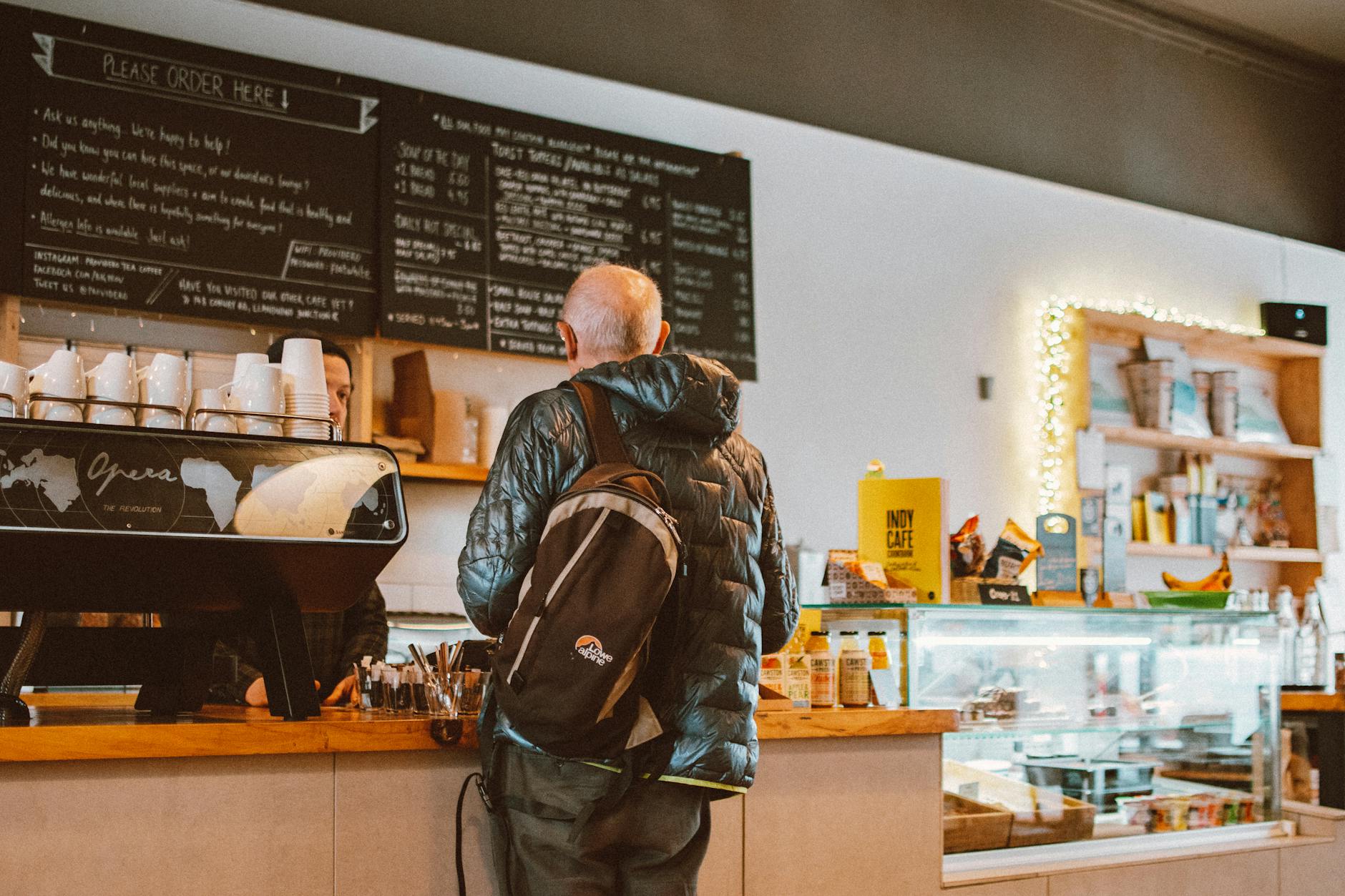
Choosing the right branded merchandise for your organisation is rarely straightforward, but when it comes to high-impact, everyday-use items, few products deliver like a well-made custom backpack. Whether you’re gearing up for a major conference in Sydney, outfitting your corporate team in Melbourne, or sourcing promotional giveaways for a trade show on the Gold Coast, a custom backpack is one of those rare products that ticks every box — practical, visible, durable, and genuinely appreciated by recipients. In this guide, we’ll walk you through everything you need to know to custom a backpack that truly represents your brand and delivers lasting value.
Why Custom Backpacks Are a Smart Branding Investment
Before diving into the “how”, it’s worth understanding the “why”. Branded merchandise earns its keep when it’s used repeatedly and in public — and backpacks do exactly that. Think about how many people see a branded bag on a commuter’s back during peak hour on Brisbane’s train network, or carried through a university campus in Canberra. Every single trip is an organic brand impression that costs you nothing beyond the initial investment.
Studies consistently show that bags and backpacks generate among the highest number of impressions per item in the promotional products category. Unlike a branded pen that sits in a drawer or a flyer that gets tossed, a quality backpack becomes part of someone’s daily routine. For corporate teams, event organisers, and businesses looking to maximise their promotional spend, that kind of long-term visibility is hard to beat.
It’s also worth considering the perception a quality backpack creates. A well-constructed, thoughtfully designed custom backpack says something meaningful about your brand — that you value quality, practicality, and your relationship with the recipient. That’s a powerful message to send to staff, clients, or event attendees.
For more on what’s resonating in branded merchandise right now, our overview of promotional products market trends in 2026 is worth a read before you finalise your product selection.
Understanding the Options: Types of Custom Backpacks
Not all backpacks are created equal, and choosing the right style is one of the most important decisions you’ll make. Here’s a breakdown of the main categories to consider.
Classic Daypack or Commuter Backpack
This is the most versatile option and suits almost any industry or audience. Daypacks typically feature a main compartment, front pockets, and padded shoulder straps. They’re ideal for corporate gifting, employee welcome packs, and conference giveaways. Capacity usually ranges from 20 to 30 litres, making them practical for everyday use without being bulky.
Laptop Backpacks
If your audience is office-based or in a tech-forward industry, a padded laptop compartment is a non-negotiable feature. Laptop backpacks (typically accommodating 13” to 17” screens) are highly valued by professionals and tend to see daily use — maximising your brand’s visibility. These are a popular choice for corporate teams across Perth, Adelaide, and Hobart where remote and hybrid working arrangements are now firmly embedded in working culture.
Drawstring Bags
While technically a subset of the backpack category, drawstring bags deserve a mention for their affordability and versatility. With lower minimum order quantities (MOQs) and price points, they work brilliantly for school events, sporting competitions, and large-scale conference giveaways. Check out our resources on school sport merchandise in Australia if you’re sourcing for an educational or sporting context.
Cooler Backpacks
Insulated backpacks that double as cooler bags are increasingly popular for outdoor events, sporting associations, and hospitality brands. They’re a smart pairing with other promotional items like custom stubby holders and branded stainless steel water bottles for cohesive event merchandise packages.
Eco-Friendly Backpacks
As sustainability becomes a genuine priority for Australian organisations — not just a marketing talking point — eco-friendly backpacks made from recycled PET bottles (rPET), organic cotton, or other sustainable materials are seeing strong demand. Government departments, councils, universities, and environmentally conscious brands are leading the charge here. Our guides on recycled corporate gifts and sustainable corporate gifts explore this space in more detail if eco credentials are important to your brief.
Decoration Methods: How to Customise Your Backpack
Once you’ve settled on a style, the decoration method will significantly influence the final look, feel, and cost of your custom backpack. Here’s what you need to know.
Embroidery
Embroidery is the premium choice for backpacks, particularly on structured fabric panels like front pockets or flap lids. It creates a tactile, professional finish that holds up exceptionally well over time — no cracking or fading, even after years of daily use. It’s ideal for logos with clean lines and limited colours. Keep in mind that highly detailed artwork with fine gradients doesn’t translate well to embroidery, so simpler designs work best.
Screen Printing
Screen printing suits flat, smooth panels and works best for bold logos with defined colour areas. It’s a cost-effective method for larger runs. However, it’s less suited to highly textured or curved bag surfaces. If you’re producing custom apparel alongside your backpack order, you might find our article on screen printing on custom hoodies in Australia useful for understanding how the process applies across different substrates.
Dye Sublimation
For full-colour, all-over printing, dye sublimation is the standout option. This method fuses ink directly into the fabric, allowing for photographic-quality prints that cover the entire bag surface. It’s exceptional for vibrant, creative designs and is commonly used for premium event merchandise or unique corporate gifts. Our quality guide to dye sublimation for promotional products covers everything you need to know about this process.
Heat Transfer and Debossing
Heat transfer is versatile and works across fabric types, making it a practical fallback when other methods aren’t suitable. Debossing (pressing a design into a leather or faux-leather panel) is an elegant option for premium bags with structured panels, often used for executive gifting.
Budgeting and MOQs: What to Expect
Cost is always a consideration, and custom backpacks span a broad price range depending on quality, style, and order volume.
As a general guide:
- Drawstring bags: $4–$12 per unit (MOQ typically 50–100 units)
- Standard daypacks: $18–$45 per unit (MOQ typically 25–100 units)
- Laptop backpacks: $35–$80 per unit (MOQ typically 25–50 units)
- Premium or eco-friendly backpacks: $55–$120+ per unit (MOQ typically 25–50 units)
These figures are indicative and will vary based on decoration method, number of print colours, and your chosen supplier. Setup fees typically apply per colour or decoration location, so factor these into your total budget — especially for smaller runs.
Turnaround times for custom backpacks in Australia generally sit between 2 and 4 weeks from artwork approval, though rush orders are sometimes available. If you’re ordering for a trade show or event, our trade show stand guide has practical advice on planning timelines for your full event merchandise suite.
Artwork and Branding Tips for Custom Backpacks
Getting your artwork right from the start saves time and money. Here are some practical tips:
- Supply vector files (AI, EPS, or PDF) wherever possible. These are scalable and maintain quality at any size.
- Understand colour matching: If your brand uses specific Pantone (PMS) colours, confirm with your supplier whether colour matching is available for your chosen decoration method. Screen printing and embroidery generally support PMS matching; dye sublimation uses CMYK and may not be a perfect match.
- Consider placement carefully: The most impactful branding location on a backpack is usually the front pocket panel or the top flap. A secondary logo on a side panel or strap is a nice addition for larger print allowances.
- Request a pre-production sample: For orders of any significant value, always request a physical sample before signing off on full production. A digital mock-up is useful but doesn’t replace seeing and feeling the actual product.
- Keep it clean: Backpacks are three-dimensional objects — your design needs to work on a curved, flexible surface. Simple, bold designs almost always outperform intricate artwork.
Combining Custom Backpacks With Other Branded Items
Custom backpacks work brilliantly as the anchor product in a branded merchandise bundle. For corporate onboarding kits, consider pairing a laptop backpack with a branded notebook and pen from our stationery range guide, a promotional USB drive, and a branded keep cup for a genuinely useful welcome pack.
For outdoor events and activations, pairing backpacks with gear like custom yoga mats (relevant if you’re in the health and wellness space — see our guide to promotional yoga mats for pharmaceutical companies) or custom apparel creates a cohesive, professional brand presence. Our article on promotional products for outdoor events has more ideas along these lines.
For location-specific procurement, whether you’re based in Victoria, regional New South Wales, or Queensland, it’s also worth exploring local and regional guides such as promotional products in Victoria, promotional products in Wollongong, and promotional products on the Gold Coast for context on sourcing and suppliers in your area.
Thinking About Social Proof and Campaign Integration
Custom backpacks are also highly shareable on social media — particularly when the design is striking and the quality is evident. Recipients who genuinely love their backpack are likely to feature it in photos, creating organic content for your brand without any additional effort on your part. This aligns well with broader trends around earned media through merchandise, which we explore in our post on social media’s impact on promotional product marketing.
Key Takeaways
When you’re ready to custom a backpack for your brand, keep these essentials front of mind:
- Choose the right style for your audience: A laptop backpack suits corporate professionals, a drawstring bag suits sporting or school events, and an eco-friendly option signals strong brand values to sustainability-conscious recipients.
- Match your decoration method to your design: Embroidery for clean, professional logos; dye sublimation for full-colour, all-over artwork; screen printing for bold, flat designs on smooth panels.
- Plan your budget holistically: Include unit costs, setup fees, freight, and a buffer for sampling. Larger orders attract better per-unit pricing, so consolidate runs where possible.
- Lead time matters: Build at least 3–4 weeks into your project timeline from artwork approval — longer if your event date is fixed and there’s no room for delays.
- Think beyond the bag: Custom backpacks perform best as part of a cohesive merchandise strategy, paired with complementary branded items that reinforce your message and maximise recipient value.
A quality custom backpack is one of the most enduring, visible, and appreciated branded products available to Australian organisations. Get the brief right, work with a supplier who understands your needs, and you’ll have a piece of merchandise that keeps your brand front of mind — quite literally — every single day.