
Custom Embroidered T-Shirts in Australia: The Complete Ordering Guide
Everything Australian businesses need to know about ordering custom embroidered t-shirts — from artwork prep to MOQs, costs, and decoration tips.

Written by
Mason Park
Custom Apparel
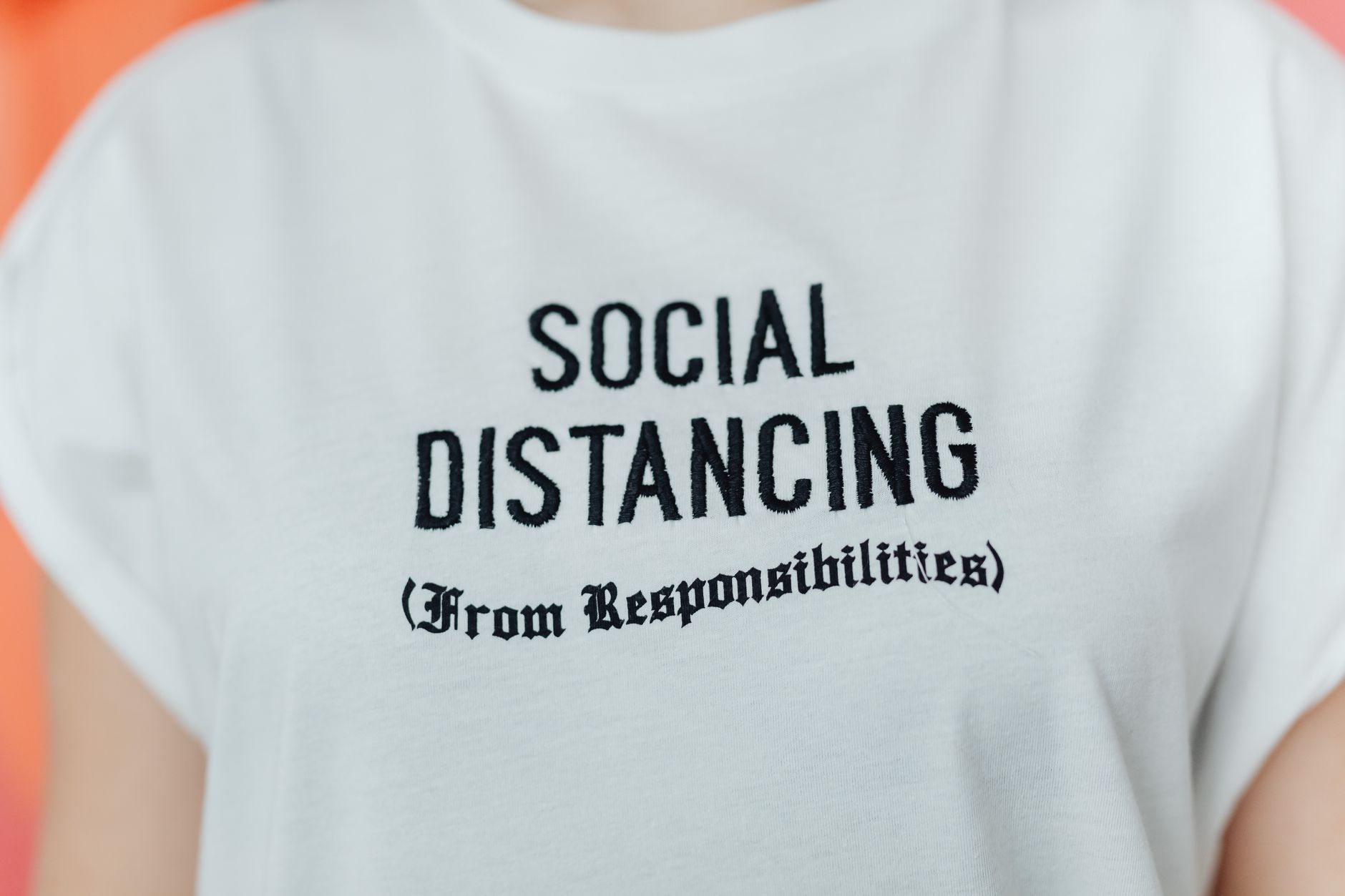
When it comes to branded clothing that makes a lasting impression, custom embroidered t-shirts are in a league of their own. Unlike printed designs that can crack, peel, or fade after repeated washing, embroidery delivers a textured, professional finish that holds its quality wash after wash, year after year. For Australian businesses, corporate teams, and event organisers looking to present a polished, unified brand image, custom embroidered t-shirts in Australia have become one of the most sought-after options in the branded merchandise space — and for very good reason.
Whether you’re outfitting a Sydney retail team, kitting out Melbourne conference staff, or creating lasting event merchandise for a Brisbane trade show, this guide covers everything you need to make smart, informed decisions about embroidered t-shirts from artwork preparation and minimum order quantities through to decoration method comparisons, fabric choices, and realistic budget expectations.
Why Choose Embroidery Over Other T-Shirt Decoration Methods?
Before diving into the ordering process, it’s worth understanding what sets embroidery apart from alternative decoration techniques like screen printing, heat transfer, or sublimation.
Embroidery uses thread stitched directly into the fabric by a computerised machine following a digitised version of your artwork. The result is a three-dimensional, tactile logo that catches the light and communicates quality without a single word needing to be said. It’s the go-to choice for corporate polo shirts and workwear — but it works beautifully on t-shirts too, particularly for team uniforms, hospitality staff, and premium branded giveaways.
Here’s where embroidery really shines:
- Durability: Embroidered logos don’t crack, fade, or peel. They can survive hundreds of washes and still look sharp.
- Perceived value: Embroidery signals professionalism. Customers, staff, and event attendees notice the difference.
- Consistency: A digitised file produces virtually identical results across every garment in your order.
- Colour accuracy: Thread colours can be matched closely to your brand’s PMS palette for reliable, consistent results.
That said, embroidery isn’t always the right tool for every job. For large, full-chest photographic designs or highly detailed gradients, you’d want to explore our guide to t-shirt printing methods which covers screen printing, sublimation, and digital printing as well. Embroidery is best suited to logos, text, and simpler graphic elements — typically placed on the chest, sleeve, or collar area of a garment.
Understanding the Embroidery Digitising Process
One of the most important (and often misunderstood) steps in ordering custom embroidered t-shirts is the digitising process. Before a single stitch can be sewn, your artwork needs to be converted into a special file format — called a DST or EMB file — that tells the embroidery machine exactly how to replicate your design in thread.
This process is called digitising, and it’s carried out by a skilled technician who manually maps out the stitch paths, stitch types, underlay, and density for your artwork. Quality digitising takes time and expertise; it directly affects how clean and defined your final embroidery looks.
What to Know About Setup Fees
Most suppliers charge a one-off setup (or digitising) fee to convert your artwork, typically ranging from $50 to $150 depending on the complexity of your design. Once you’ve paid this fee and approved the digitised file, it can be stored and reused for all future orders — so repeat orders carry no additional digitising cost.
When preparing artwork for embroidery, vector files (AI, EPS, or SVG formats) or high-resolution PDFs are ideal starting points. Supplying a clean, well-prepared logo file will always result in a better digitised outcome and may reduce revision costs.
Stitch Count and Design Complexity
Embroidery pricing is often based on stitch count — the total number of stitches required to complete your design. A simple left-chest logo might require 5,000–8,000 stitches, while a larger, more detailed design could exceed 20,000 stitches. Higher stitch counts mean longer machine run times and, therefore, higher per-unit costs. Keeping your embroidered design relatively clean and simple is both cost-effective and visually strong.
Choosing the Right T-Shirt for Embroidery
Not every t-shirt fabric is equally suited to embroidery. Getting the garment choice right is just as important as the design itself.
Fabric Weight and Construction
Heavier-weight, tightly woven fabrics are the best candidates for embroidery. A standard 180–200 gsm cotton or cotton-blend t-shirt provides enough body to support the stitching without puckering or distorting. Thinner, lightweight fabrics (such as 130–150 gsm jersey) can be more problematic, as the weight of the stitches may cause the fabric to pull or bunch.
For a professional outcome, look for:
- 100% cotton or cotton-rich blends for comfort and durability
- Piqué fabric if you’re crossing over into polo shirts
- Heavier gsm garments (180 gsm or above) for chest or sleeve embroidery placements
- Athletic or performance fabrics handled carefully with appropriate stabilisers — embroidery on moisture-wicking polyester is possible but requires experience
Garment Colour Considerations
Embroidery is one of the most versatile decoration methods when it comes to garment colour. Unlike screen printing, where light inks on dark fabrics require additional base layers, embroidery thread shows up consistently on almost any garment colour. Navy, black, charcoal, forest green, and burgundy are all popular choices for embroidered corporate t-shirts in Australia.
If your brand uses specific Pantone colours, discuss thread colour matching with your supplier early in the process to ensure the closest possible match.
Minimum Order Quantities, Pricing, and Lead Times
One of the first questions most buyers ask is: how many do I need to order? For custom embroidered t-shirts in Australia, minimum order quantities (MOQs) typically start at around 12–24 units, though this can vary between suppliers and decoration methods.
Pricing Tiers to Expect
Embroidery pricing generally follows a tiered structure based on order volume. As your quantity increases, your per-unit cost decreases. As a general guide for standard left-chest embroidery in 2026:
- 12–24 units: Higher per-unit cost due to setup amortisation
- 25–50 units: Mid-range pricing, suitable for most small corporate teams
- 50–100+ units: More favourable pricing per unit, common for larger events and uniform rollouts
Blanket pricing ranges are difficult to give without knowing garment grade, stitch count, and supplier, but budgeting $25–$60 per embroidered t-shirt (garment + decoration) for quality outcomes is a reasonable starting expectation for smaller runs.
Turnaround Times
Standard turnaround for embroidered t-shirts in Australia is typically 10–15 business days from artwork approval, though many suppliers can accommodate rush orders — often for an additional fee. If you’re ordering for a specific event, conference, or trade show, always build in extra lead time. Suppliers in major cities like Perth, Adelaide, and Hobart can sometimes face slightly longer freight lead times for garment delivery, so factor in logistics when planning your timeline.
For more on planning merchandise for high-stakes events, our guide to promotional products for outdoor events offers useful scheduling tips, as does our trade show stand merchandise guide.
Common Placement Options for Embroidered T-Shirts
Where your embroidery sits on the garment makes a significant difference to the finished look. The most popular placement options include:
- Left chest: The industry standard for corporate and workwear — clean, professional, and immediately visible
- Right chest: Less common, often used for name or role text alongside a left-chest logo
- Centre chest: A bolder, more fashion-forward placement — great for team merchandise or events
- Sleeve: Increasingly popular for secondary branding elements or slogans
- Back yoke: A subtle but premium touch, often used in hospitality and service industries
- Cap or collar area: Works well on quarter-zips and performance tees
Eco-Friendly Options for Embroidered T-Shirts
Sustainability is a growing priority for Australian organisations across every sector. The good news is that custom embroidered t-shirts can absolutely align with your environmental commitments. Look for suppliers offering garments made from:
- Organic cotton (GOTS certified)
- Recycled polyester (rPET), made from reclaimed plastic bottles
- Bamboo-cotton blends for a softer, more sustainable finish
Pairing an eco-certified garment with embroidery (which produces minimal chemical waste compared to some printing processes) is a genuinely greener branded merchandise choice. For a broader look at sustainable branding options, explore our guides on eco-friendly promotional items and sustainable corporate gifts in Australia.
Who Orders Custom Embroidered T-Shirts in Australia?
The applications for custom embroidered t-shirts are incredibly broad. Here are just a few real-world scenarios across Australia:
- A Canberra government department outfitting project management staff for a public-facing community engagement program
- A Gold Coast hospitality venue dressing front-of-house team members in branded tees for a consistent guest experience
- A Melbourne childcare centre ordering staff tees to build trust and recognisability — see more on promotional products for childcare businesses in Melbourne
- A school sports program in regional New South Wales ordering team t-shirts for carnival day — relevant to our school sport merchandise guide
- A Brisbane construction company supplementing their hi-vis workwear program with branded tees for the site office team
- A Sydney events agency producing staff uniforms for a multi-day corporate conference, potentially alongside other Wollongong-area branded merchandise needs
The versatility of embroidered t-shirts means they suit organisations of virtually every size and sector. Keep an eye on the promotional products market trends for 2026 to see how custom apparel is evolving alongside broader merchandise shifts, including the supplier consolidation trends reshaping how Australian businesses source branded products.
Tips for a Smooth Embroidered T-Shirt Order
Before you place your order, here are some practical steps to ensure everything runs smoothly:
- Supply your logo in vector format — ideally AI or EPS. If you only have a JPEG, let your supplier know early so they can advise on digitising options.
- Request a stitch-out sample — particularly for first-time orders or complex logos. This physical sample shows exactly how your digitised design will look in thread before full production begins.
- Confirm PMS thread colour matches — don’t assume your supplier will automatically match your brand colours without being briefed.
- Order a size run — consider how sizing across your team or audience will affect your order breakdown (S, M, L, XL, XXL and beyond).
- Check care labels and fabric specs — especially important if you’re sourcing eco-certified garments where certification documentation may be needed.
- Plan ahead — account for digitising time, proof approval, production, and freight when setting your deadline.
Key Takeaways
Ordering custom embroidered t-shirts in Australia is a straightforward process when you understand the key variables involved. Here’s what to remember:
- Embroidery offers unmatched durability and a professional, premium look — ideal for corporate teams, event staff, and uniform programs where quality matters
- Digitising is a one-off investment — once your artwork is set up, repeat orders are faster and more cost-effective
- Fabric choice matters — heavier, tightly woven garments produce the cleanest embroidery results
- Plan your timeline carefully — 10–15 business days from artwork approval is typical, so build in buffer time for events and campaigns
- Eco-friendly garments and embroidery pair well — a strong choice for organisations committed to sustainability
- Stitch count drives cost — simpler, cleaner logos keep per-unit costs manageable across all order sizes
Custom embroidered t-shirts remain one of the most effective and enduring ways for Australian organisations to build brand presence, unify teams, and make a professional impression. With the right preparation, the right garment, and a clear creative brief, you’ll end up with merchandise your team is genuinely proud to wear.